

Service area · Warren County, New York

Water treatment for Glens Falls, Queensbury, Lake George and Warren County

Warren County runs from the Glens Falls and Queensbury suburbs up into the Adirondack Park. Municipal water, lake-community systems and private wells sit within a few miles of one another, and each needs a different starting point.

Water in Warren County

The southern end of the county is served by municipal water: the City of Glens Falls treats Hudson River water, and the Town of Queensbury operates its own system from the Hudson as well. Surface water from the Hudson is generally softer than groundwater, but it is disinfected, so chlorine taste and odor and the drying effect on skin and hair are the usual complaints.

Around Lake George, the village and several lakeside neighborhoods are on community systems, while most of the shoreline and the hills behind it are on private wells. The Adirondack bedrock here is granite and gneiss, which gives soft, low-mineral water that is often slightly acidic. Acidic water is hard on copper plumbing and shows up as blue-green staining in sinks and tubs.

Warrensburg, Chester, Johnsburg, Thurman, Stony Creek, Lake Luzerne, Hague and Horicon are overwhelmingly on wells. Iron and manganese are common, color and tannins can come from wetland-fed aquifers, and seasonal homes bring their own question: a system that will be shut down for the winter has to be chosen and installed with that in mind.

Towns and villages we visit in Warren County

  • Glens Falls
  • Queensbury
  • Lake George
  • Bolton
  • Warrensburg
  • Chester
  • Johnsburg
  • Thurman
  • Stony Creek
  • Lake Luzerne
  • Hague
  • Horicon

Town list is for orientation and is not exhaustive. If your town is in Warren County and is not listed, we still serve it.

What we usually find in Warren County homes

  • Chlorine taste and odor on Glens Falls and Queensbury municipal water.
  • Low pH and copper corrosion, seen as blue-green staining, on Adirondack wells.
  • Iron, manganese and color on wells in the northern and western towns.
  • Seasonal homes and camps that need a system designed around winter shutdown.

Your water is confirmed at your tap

These are patterns, not predictions. Two homes on the same road can test differently, and municipal water changes with the season and the source in use. The in-home assessment measures your water; for health-related questions on a private well we point you to a New York State ELAP-certified laboratory and your county health department.

How we work in Warren County

Glens Falls and Queensbury are about half an hour north of Ballston Spa; Lake George and the northern towns a little further. The process is the same as everywhere we work: an in-home water test, a written recommendation that fits your results and your household, and installation by experienced local plumbers. There is no showroom and nothing to buy online; we come to you.

What fits here

Treatment options for Warren County homes

Every recommendation follows the water test. These are the directions the test most often points to in Warren County.

Municipal water

Whole-house softening and filtration

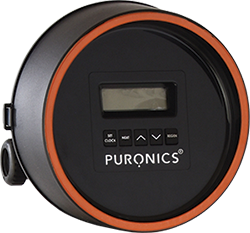
Glens Falls and Queensbury homes on municipal water are typical candidates for a C-series combination system if hardness is present, or a filtration-focused configuration if the water is already soft.

Whole-house filtration Water softeners
Private wells

Lab test first, then treatment that fits

Adirondack wells are tested by a certified laboratory first. Low pH is corrected before anything else; iron and manganese need their own treatment. The C-series systems are intended for disinfected supplies, so a well usually calls for a different Puronics configuration.

Well vs municipal water Reading a lab report

Drinking water

Reverse osmosis at the kitchen sink

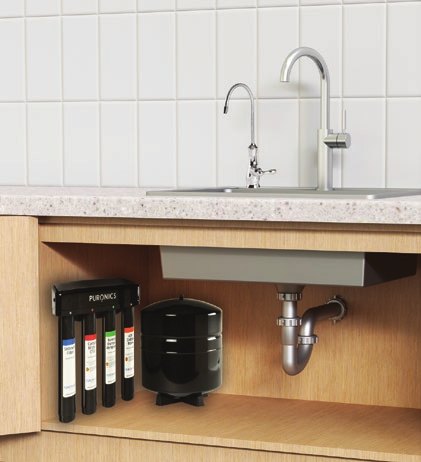
A Micromax 8500 reverse-osmosis system at the kitchen sink is a good fit for lake homes and camps where the owner wants certified reduction of dissolved contaminants in drinking water.

Reverse osmosis Micromax 8500

Warren County questions

My sinks have blue-green stains. What does that mean?

Blue-green staining is usually copper dissolving from your own plumbing because the water is slightly acidic, which is common in Adirondack wells. The fix is to neutralize the pH before the water reaches the pipes, not to scrub harder. We check pH during the in-home assessment and, for wells, recommend a certified laboratory test for copper and lead as well.

We have a seasonal camp on Lake George or Schroon Lake. Can you install there?

We serve the whole county, including seasonal properties. Tell us on the request form that the home is seasonal; the choice of system and how it is installed depend on whether it will be drained for the winter.

Is Lake George water safe to drink from the lake?

Untreated surface water should not be used for drinking without treatment and disinfection, and we do not sell or install lake-intake systems. If your home draws from the lake, talk with the Warren County health department about what treatment is required and we can discuss point-of-use drinking water options after that.

Start with a water test in Warren County

Tell us about your home and what you have noticed. We will be in touch to arrange an in-home water test anywhere in Warren County.