

How it works
From a question about your water to a system that fits it
There is no online checkout here and no system chosen from a quiz. Here is each step, what it involves, and what we need from you.
The eight steps
-
You reach out
Use the request form and tell us your town, whether you are on municipal water or a private well, and what you have noticed. A request is an inquiry, not a confirmed appointment; we follow up to find a time that works for you.
-
In-home assessment
We come to your home. The visit has three parts: testing your water for treatment-relevant conditions, looking at where water enters the house and where equipment could go, and talking through how your household uses water (people, bathrooms, appliances, irrigation). What the test covers and what it does not.
-
We explain what we found
You see the readings and hear what they mean in plain language: what is cosmetic, what affects plumbing and appliances, and what is better answered by a certified laboratory. If you already have a lab report, bring it; we will walk through it with you.
-
A recommendation matched to your home
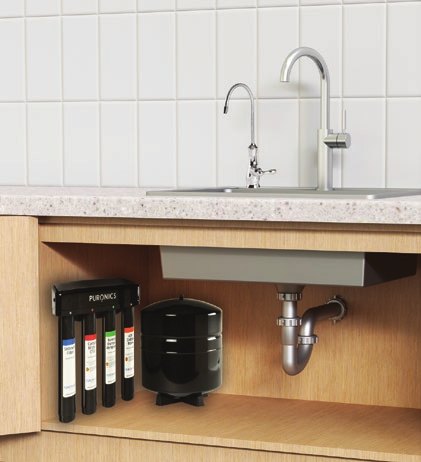
We propose a system, or a combination, sized for your water and your usage. For most municipal homes that is a whole-house softener and filter combination, often with a reverse-osmosis system at the kitchen sink. Well water usually calls for a different configuration. We will say when something you asked about is not necessary.
-
Written quote
The quote itemizes the equipment, the installation work, what the manufacturer's limited warranty covers, and what ownership involves. Take your time with it. Our guide to cost and ownership explains how to compare proposals.
-
Installation planning
Once you approve, we schedule the installation and confirm the practical details: equipment location, drain and electrical access, and whether any plumbing changes are needed. More about installation.
-
Installation and commissioning
Experienced local plumbers install the system, connect it, program the control valve, and run it through its first cycle to confirm everything is working.
-
Walkthrough and ownership
Before we leave, we show you the system: what the display means, where the salt goes, how to change a drinking-water cartridge, and what to watch for. You get the manuals and the written warranty.
What you end up with
Two places treatment usually lives
Most recommendations come down to one system where water enters the house, one at the kitchen sink, or both. The valve on the whole-house tank does the thinking: it tracks your water use and regenerates only when the media needs it.

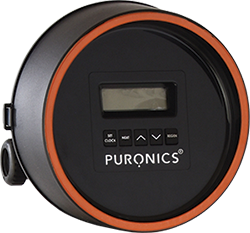
The iGen control valve keeps 60 days of usage history, regenerates on demand rather than on a timer, holds an automatic reserve so you do not run out of treated water, and shows its status on the display we walk you through at commissioning.
What we need from you
- Access to where water enters the house (usually the basement or utility room) and to the kitchen sink if you are considering reverse osmosis.
- Your water bill or well information if you have it, and any previous lab results.
- A rough sense of how many people live in the home and how water is used.
- A decision in your own time. We do not ask you to sign during the visit.
Confirmed steps and details still being finalized
The steps above are how we work. As a new business, a few operational details are still being finalized and we would rather tell you that than make promises:
What we have not promised
We have not published appointment durations, follow-up schedules, or installation lead times, because they depend on the home and on scheduling with our plumbing partners. We will give you specific dates and times when we book your visit and again when we schedule installation.
Common questions about the process
Is there a charge for the in-home assessment?
We will confirm this when we arrange your visit. We do not advertise "free" testing on this site because we would rather be clear about terms in writing than rely on a headline.
How long does it take from assessment to installation?
It depends on equipment availability, your schedule, and the scope of plumbing work. We give you a realistic timeline with your quote rather than a blanket promise.
Can I get a quote without a visit?
Not a reliable one. Sizing and selection depend on hardness, chlorine or chloramine, flow, plumbing layout and usage, and the written quote has to reflect your actual home. The visit is the fastest way to a number you can trust.
What if the test shows my water does not need treatment?
Then we tell you that. We may suggest a reverse-osmosis system for drinking water if that is what you asked about, but we will not recommend whole-house equipment your water does not call for.
Start with your water, not a catalog
Every recommendation begins with an in-home water test and a conversation about how your household uses water. Tell us about your home and we will be in touch to arrange a visit.